Learn the Meaning Behind Popular Valentine’s Day Flowers and Pick the Perfect One
Giving flowers on Valentine’s Day is already a thoughtful gesture, but knowing the meaning behind those flowers, and actually choosing them for that reason, is the sweetest thing a person can do. Flowers have their own language, and each one can carry a message of love, admiration, or gratitude. Understanding this hidden language helps you convey exactly what you feel. In this guide, we’ll explore the meaning behind popular Valentine’s Day flowers and help you select the perfect arrangement for your special someone.
Where Did the Meanings Originate?
The practice of assigning meanings to flowers dates back centuries. The most widely recognized system, “floriography”, emerged during the Victorian era in the 19th century. During this time, people used flowers to communicate feelings that could not be spoken aloud, especially in societies where public displays of affection are not usual. Even today, these meanings continue to influence the way people choose flowers for Valentine’s Day, weddings, and other celebrations.
Popular Valentine’s Day Flowers
Valentine’s Day is the peak season for flower sales worldwide. According to the Society of American Florists, nearly 250 million roses are produced for Valentine’s Day in the U.S. alone each year. Other flowers include the following:
• Roses
• Tulips
• Carnations
• Lilies
• Sunflowers & Others
Meaning Behind Popular Valentine’s Day Flowers
Understanding the meaning behind popular Valentine’s Day flowers ensures your gift carries a message that matches your feelings. Here’s a closer look:
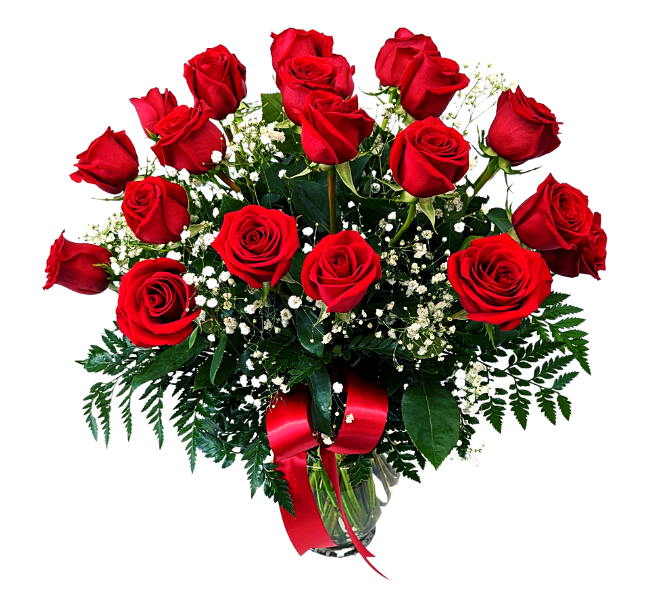
Roses
Roses come in many different colors, each carrying its own meaning, but the most popular will always be red roses. Red roses are considered the epitome of love and romance, the kind of flower that feels like it was created specifically for heartfelt moments. From Valentine’s Day to anniversaries, monthsaries, and even daysaries, red roses are often the first choice.
Other rose colors also carry beautiful meanings:
• Pink Roses: Admiration, gratitude, and gentle affection
• White Roses: Purity, sincerity, and new beginnings
• Yellow Roses: Friendship, joy, and warmth
• Orange Roses: Enthusiasm, passion, and excitement
• Lavender Roses: Enchantment and love at first sight
Tulips
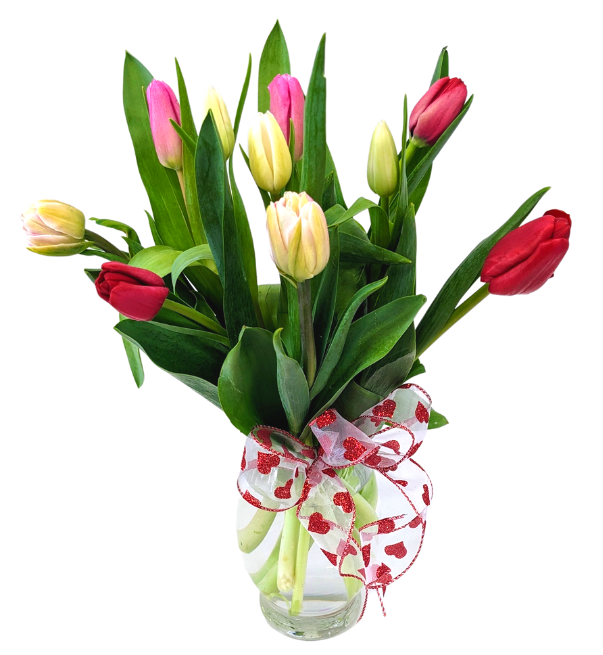
Tulips are not just beautiful flowers; they also carry meaningful symbolism. Over the years, tulips have gained a lot of popularity, especially during Valentine’s Day. Like many flowers, they come in different colors, but red tulips remain the most commonly chosen, symbolizing true love and deep affection.
Other tulip colors and their meanings include:
• Pink Tulips: Affection and happiness
• Yellow Tulips: Cheerfulness and warmth
• Purple Tulips: Admiration and elegance
• White Tulips: Forgiveness and new beginnings
Lilies
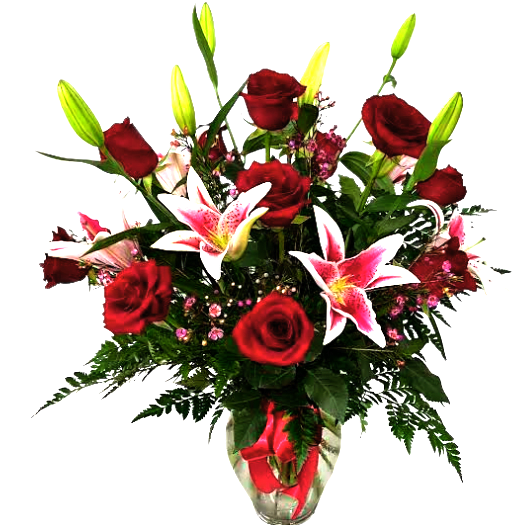
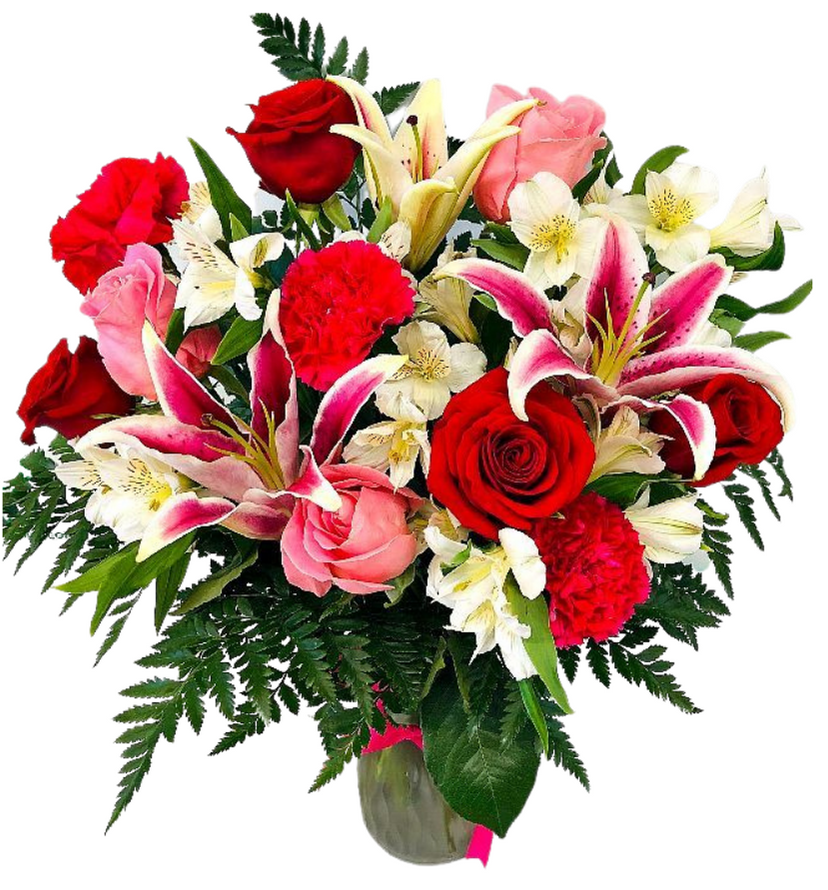
Lilies have become one of the favorites because of their unique shape and natural beauty. Besides looking lovely, lilies also have special meanings. They are often linked to sincerity, love, admiration, and positive feelings, making them a thoughtful choice for Valentine’s Day or other special occasions.
Types of lilies and what they mean:
• Stargazer Lilies: Ambition, hope, and admiration
• Asiatic Lilies: Energy, happiness, and positivity
• Oriental Lilies: Love, beauty, and passion
• Tiger Lilies: Confidence, pride, and boldness
• Calla Lilies: Purity, elegance, and new beginnings
Carnations
Carnations are full of love and meaning, making them the perfect choice for mothers. If you’re planning to surprise your mom this Valentine’s Day, this flower is it.
What carnations mean by color:
• Red Carnations: Deep love and admiration
• Pink Carnations: Gratitude and a mother’s love
• White Carnations: Purity and good intentions
• Yellow Carnations: Cheerfulness and friendship (in modern arrangements)
Sunflowers
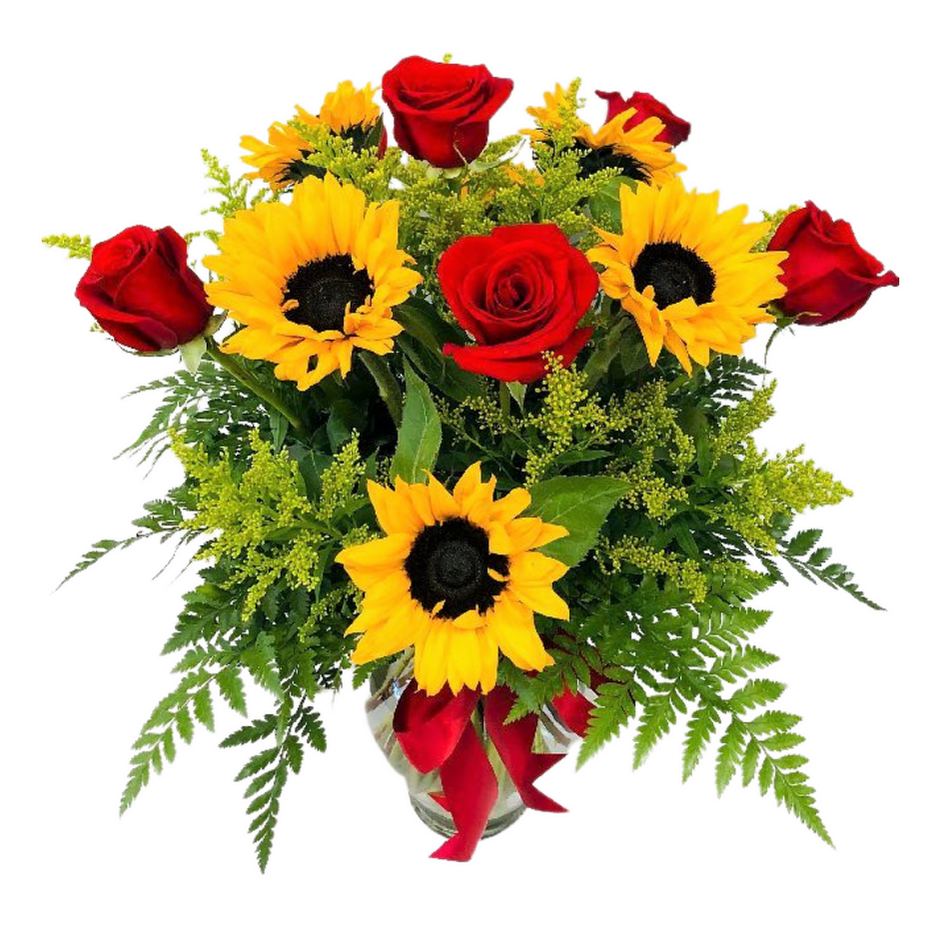
Sunflowers are often seen as a symbol of happiness, positivity, joy, and optimism, qualities that everyone needs. That’s why they’ve become a favorite for Valentine’s Day. Just seeing their big, bright faces can instantly lift your mood and make you feel happy.
How to Pick the Perfect One
Now that you know the meanings behind popular Valentine’s Day flowers, choosing the best one becomes much easier. Here’s how to make sure your flowers say exactly what you want them to:
• Think About the Person: Consider their personality and what they love.
• Match the Flower to the Message: Each flower carries its own meaning. Pick the one that fits your feelings.
• Consider Color Meanings: Within each flower, colors have their own symbolism.
• Think About Allergies: Some people may be sensitive to strong scents or pollen, so choose flowers that won’t trigger allergies.
• Consider Past Favorites: If they have a favorite flower or one they’ve mentioned liking before, including it in the arrangement shows thoughtfulness.
• Consider the Style: Do they prefer simple and classic arrangements, romantic style, or something chic and playful? Style matters as much as the flowers themselves.
Say It with Flowers This Valentine’s Day
Valentine’s Day is the perfect time to show someone you care, and flowers are one of the most meaningful ways to do it. By understanding the meaning behind popular Valentine’s Day flowers, you can choose an arrangement that reflects your feelings, whether it’s love, admiration, gratitude, or friendship.
Visit Fiesta Flowers, Plants & Gifts for beautiful Valentine’s Day flower arrangements and other love-day gifts. Order early to make sure your loved one will receive something special during that day!